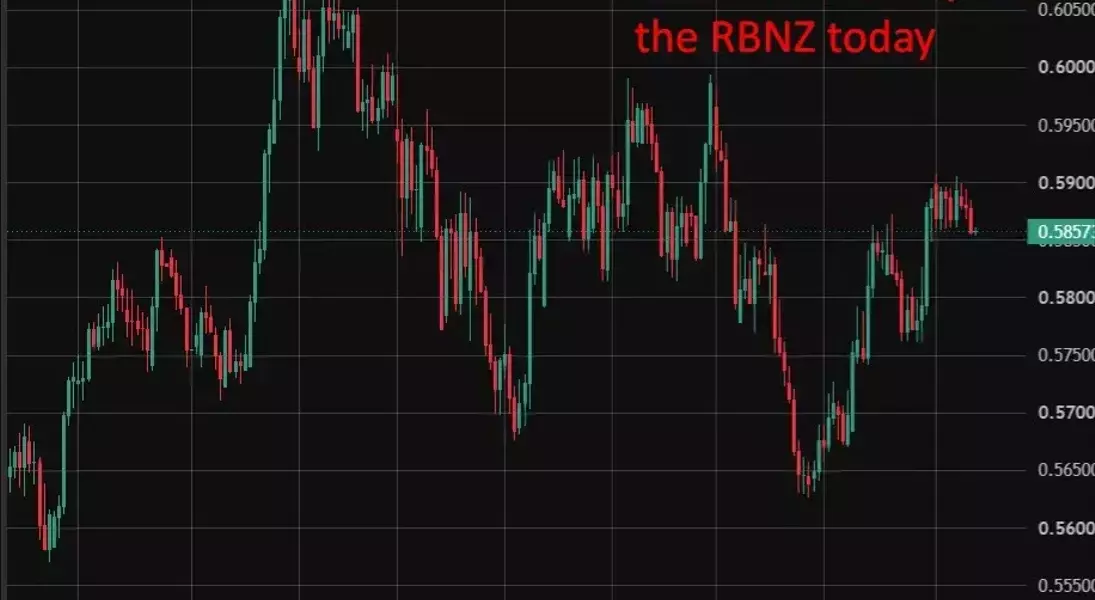
The upcoming Reserve Bank of New Zealand's (RBNZ) inflation expectations survey has sparked a notable disagreement among leading New Zealand banks, Westpac and ASB. This divergence highlights a significant uncertainty in the market regarding the enduring impact of inflation, particularly stemming from oil price fluctuations, on public and business sentiment. The outcome of this survey is poised to be a critical determinant for the RBNZ's future tightening measures and will likely influence the New Zealand dollar's performance, including its standing against the Australian dollar.
RBNZ Monetary Policy Under Scrutiny Amidst Conflicting Inflation Forecasts
As the Reserve Bank of New Zealand (RBNZ) prepares for its pivotal September 2 decision, the financial landscape is marked by a clear divide among economists regarding the trajectory of inflation expectations. On Thursday, August 13, 2026, the Q3 Survey of Inflation Expectations is set to be released, and the anticipation is palpable, particularly concerning the closely watched two-year-ahead measure, which previously stood at approximately 2.5 percent.
Westpac economists project an increase in both one-year and two-year-ahead inflation expectations. Their analysis points to the substantial shifts in global oil prices and the recent re-escalation of headline inflation to 4.1 percent as key drivers. While they foresee stability in longer-term expectations (five and ten years out), attributing this to the RBNZ's ongoing tightening cycle, the near-term outlook remains a concern. Westpac emphasizes that the real risk lies not just in current inflation figures but in the potential for a sustained shift in pricing behaviors, known as second-round effects, which central banks are keen to prevent.
Conversely, ASB economists hold an opposing view, forecasting a broad decline in inflation expectations. Their rationale is rooted in the recent fall of retail fuel prices from their mid-April peaks, coupled with encouraging signals from high-frequency pricing and expectations surveys. However, ASB does not entirely dismiss the possibility of upward pressure. They acknowledge that the elevated headline inflation figure from the second quarter could still push medium and longer-term expectations higher, indicating that their own predictive models suggest a degree of upside risk for the Q3 readings. For context, ASB's Q2 figures showed one-year expectations at 3.4 percent, two-year at 2.5 percent, and both five and ten-year expectations around 2.2 percent.
Regarding monetary policy, ASB anticipates the RBNZ will continue its measured approach, implementing steady 25 basis point rate hikes to bring the Official Cash Rate (OCR) to 3.25 percent by the close of the year. This forecast, however, is presented with caveats. ASB suggests the OCR might peak lower if economic slack eases wage and price pressures. Conversely, a significant deviation of inflation expectations from the RBNZ's target range of 1 to 3 percent could necessitate a higher terminal rate. This two-sided perspective underscores the critical role Thursday's survey results will play in shaping market perceptions of the RBNZ's tightening cycle, making it a pivotal moment rather than a mere procedural announcement.
The current disagreement between these prominent financial institutions underscores the intricate challenges faced by central banks in managing inflation. The RBNZ's response to the upcoming inflation expectations survey will be crucial, not only for the stability of New Zealand's economy but also for setting a precedent in navigating a complex global economic environment. This situation highlights the delicate balance between maintaining price stability and fostering economic growth, a task that demands careful consideration of all available data and expert analyses.