Unlocking Value: The Strategic Play of Free Streaming Tiers
The Rationale Behind Complimentary Content
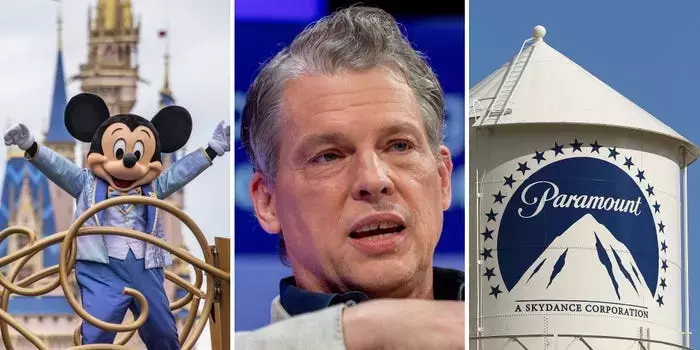
Leading streaming entities, such as Disney and Paramount Skydance, are actively investigating the incorporation of free, advertising-supported segments into their existing subscription platforms. This initiative is a direct response to the burgeoning popularity of free services, notably YouTube and various Free Ad-supported Streaming Television (FAST) channels like Tubi and The Roku Channel, which have demonstrated considerable growth in viewership. The primary objectives are multifaceted: to broaden their subscriber base, enhance advertising income, and entice new users, eventually guiding them toward premium, paid subscriptions.
Navigating the Double-Edged Sword of Free Access
While the allure of free content is strong for consumers grappling with 'stream-flation'—the rising cost of multiple subscriptions—implementing these tiers is not without its complexities. Media analysts point out the delicate balance required: offering too little free content risks failing to capture audience interest, while providing too much could inadvertently undermine the existing paid subscription model by encouraging current subscribers to downgrade. The challenge lies in curating a free content library that serves as an enticing gateway without eroding the value of the premium offerings.
Pioneering Free Content: Disney and Paramount's Ventures
Both Disney+ and Paramount+ are actively developing their free-tier strategies. Disney has reportedly explored making selected Disney+ content available for free, a move that could leverage its extensive content library to re-engage audiences with older titles and drive long-term value. Similarly, Paramount+ is envisioning a "free front porch" feature, which would offer complimentary content such as micro-dramas and podcast snippets to acclimate potential subscribers to its platform and content ecosystem. This approach is seen as a way to "drive acquisition and winbacks" by fostering familiarity and habit among viewers.
The Hesitation of a Streaming Giant: Netflix's Prudent Approach
In contrast to its competitors, Netflix maintains a more cautious stance on introducing a free tier, particularly in well-established markets like the US. Co-CEO Greg Peters has expressed concerns about the potential for "cannibalization of paid tiers," highlighting the risk that existing subscribers might cancel their paid memberships if free content becomes available. For Netflix, any advertising revenue generated from a free tier would need to significantly outweigh potential losses in subscription revenue. The company suggests that a free offering might be more suitable for markets with lower paid penetration or where pricing acts as a substantial barrier to entry, and only after developing a robust, scaled advertising business.
Market Saturation and Brand Perception
The widespread adoption of free, ad-supported tiers could lead to a saturated streaming advertising market, posing new challenges for content providers. An influx of free content from numerous platforms might dilute the overall advertising economy. Furthermore, there's the risk of altering audience perception: a premium service that begins to offer free content might be viewed as less exclusive, potentially diminishing its brand value and the perceived necessity of a paid subscription. This makes the strategic design and content selection for any free tier absolutely crucial for maintaining brand integrity and profitability.